

Analysis-Hims & Hers GLP-1 pill gambit backfires, accelerating crackdown on drug compounders
By Michael Erman
NEW YORK, Feb 19 (Reuters) – Online telehealth company Hims & Hers Health, seeking growth drivers as its original sexual-health franchises matured, may have overstepped with a risky launch of weight-loss pills that drew swift blowback from Danish drugmaker Novo Nordisk and U.S. regulators.
Even as Novo and U.S. rival Eli Lilly had moved to aggressively cut prices on their GLP-1 weight-loss drugs, Hims announced plans to offer a compounded oral semaglutide pill for $49 – a version of Novo Nordisk’s new Wegovy pill launched in January.
Two days later, Hims retreated after U.S. FDA Commissioner Marty Makary warned the offering and similar drugs were “illegal copycats.”
Novo followed up by suing the telehealth company for infringing patents on its injectable weight-loss offerings.
The oral GLP-1 could have opened a new market for Hims with patients who prefer pills to injections, analysts said. Now it’s not clear where the company will look for long-term growth prospects.
“They probably looked at this as their next big driver of growth in the business,” said Needham’s Ryan McDonald. He said Hims’ other recent offerings such as testosterone or cancer screenings were “nice add-ons,” but would not on their own drive significant new subscriptions to the service.
Hims declined to comment.
PITCHING AFFORDABILITY
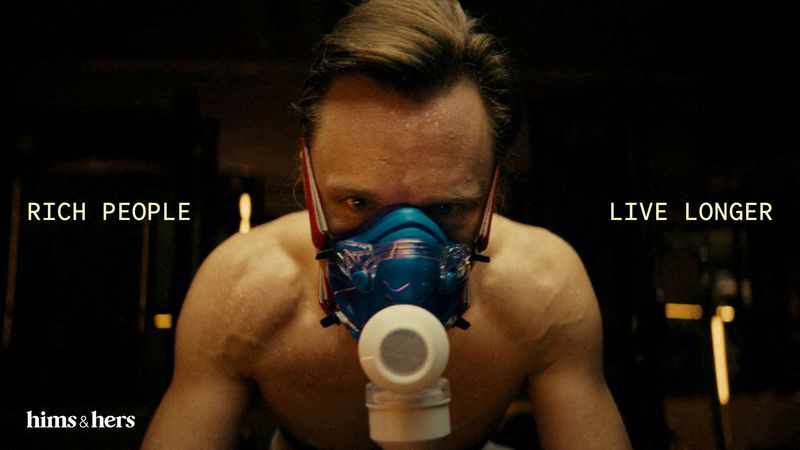
Hims, run by entrepreneur Andrew Dudum, has been pitching itself as an affordable healthcare company including with a pricey Super Bowl ad.
It has also tried to up its political sway and profile. The company donated $1 million to President Donald Trump’s inauguration, the same amount as much bigger drug companies like Pfizer and Gilead.
Most of Hims’ recent growth has come as it expanded into injectable weight-loss offerings. The company had less than $900 million in sales in 2023, the year before it started offering the shots, but is expected by Wall Street to exceed $2.3 billion when it reports 2025 sales on Monday. Analysts are also expecting the company to post $620 million in fourth-quarter sales, up 28%.
Hims’ sales-growth rate has been at least 59%, and as high as 94%, over the past four years, but is forecast to decline to around 17% over the next two years.
Shares are trading at less than a quarter of highs hit in the middle of last year and are off more than 45% since the weight-loss pill announcements.
TRICKY, COMPLEX MANUFACTURING
The obesity drug market is seen reaching annual sales of around $100 billion by 2030, analysts have said. Novo Nordisk executives believe a third or more could be from pills, which as soon as April could include Eli Lilly’s oral treatment.
Leave a Comment
Your email address will not be published. Required fields are marked *