

A ‘jobless boom’ is shaping up to be the story of the 2026 economy

-
The US economy looks strong, but job growth remains slow — creating a “jobless boom.”
-
AI investment and consumer spending drove GDP gains, even as layoffs and hiring freezes persist.
-
Unemployment is at the highest rate since 2021 as job seekers face a tough market and dwindling sentiment.
The US economy continues to surprise on the upside — except when it comes to jobs.
Hot growth, as seen in this week’s GDP report, typically corresponds to stronger hiring and personal earnings, which then enable consumers to continue spending. However, this year, the trend has been the opposite. Spending is driving the economy, but the job market is stuck in a “Great Freeze.”
As KPMG’s chief economist Diane Swonk wrote on Tuesday, “Growth and labor market outcomes have decoupled.”
It’s shaping up to be the story of 2026. The US has found itself in what some are calling a “jobless boom.” Money is flowing in and out of the economy at a healthy clip, but it’s not going toward creating a new job for you.
Instead, all eyes are on artificial intelligence, investment in which drove much of the year’s economic growth, along with still-strong consumer spending. The big AI investors were larger companies, including those that have led white-collar job cuts. In some cases, their profits have skyrocketed, and “do more with less” has been the mantra of the year.
“Firms are doing more with fewer workers,” Swonk wrote. “Many overshot on staffing during the hiring frenzy and are now using attrition or layoffs to bring staffing levels more in line with demand. Others are offsetting the squeeze on profit margins due to tariffs with layoffs and hiring freezes.”
Economists are still grappling with how the US ended up in this rare scenario. This year, although overall layoffs have crept up, they remain relatively low. Corporate America and Big Tech were the exceptions, with companies such as Amazon, Microsoft, Meta, Google, and Tesla announcing big cuts.
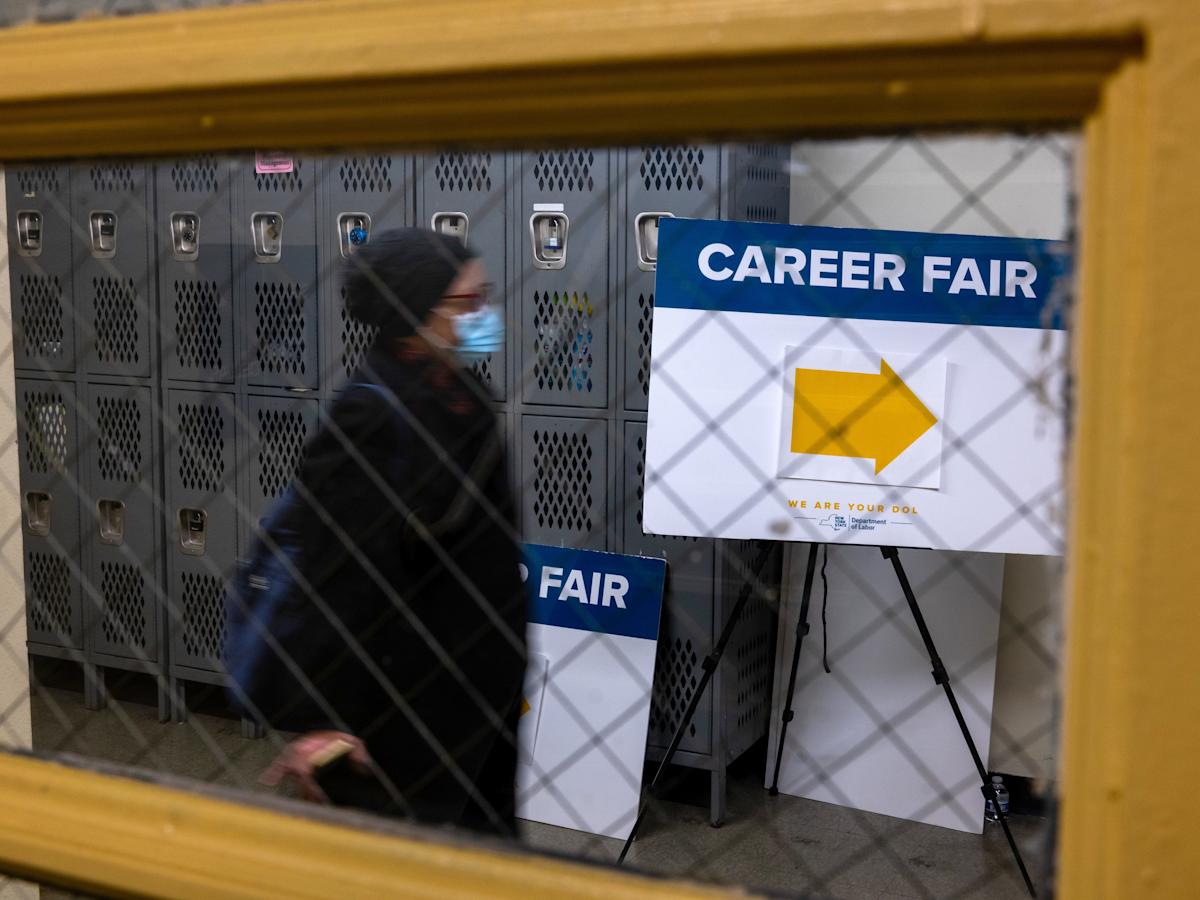
Business Insider has heard from dozens of white-collar job seekers who said that finding a new role has felt “impossible,” and those with jobs have, in many cases, held onto them for dear life.
In addition to a tough job market, consumers had no income growth last quarter. However, spending held strong — despite tariff uncertainty and stubborn inflation still above the Federal Reserve’s 2% target. A large percentage of this spending uptick was in healthcare and medical services, as costs for hospital and nursing services climbed. This year marks the most Americans have spent on healthcare services since 2022, when the Omicron wave of COVID-19 spread.
Leave a Comment
Your email address will not be published. Required fields are marked *