

Why Silicon Valley is really talking about fleeing California (it’s not the 5%)

If you’ve been following the billionaire exodus from California with some confusion, here’s what’s actually driving the nervousness: it’s not the 5% rate. As highlighted Friday in the New York Post, the proposed wealth tax would hit founders on their voting shares rather than the actual equity they own.
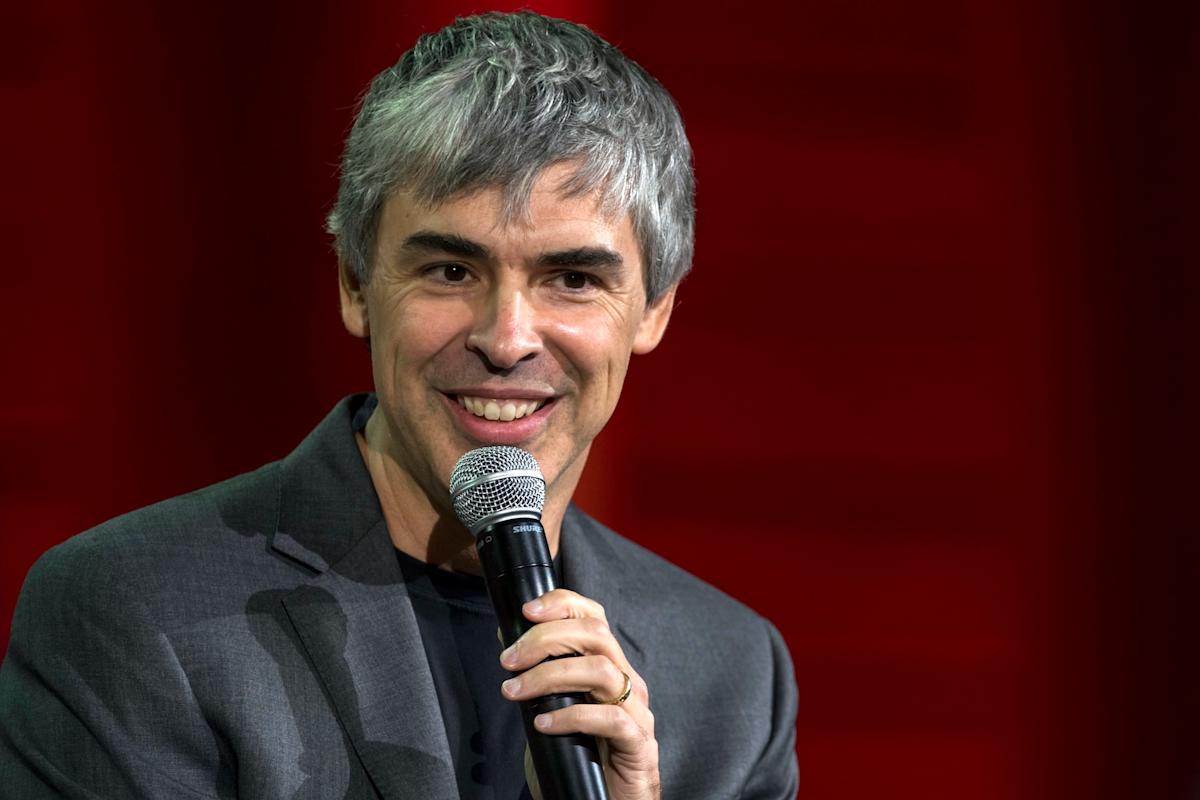
Take Larry Page, who about 3% of Google but controls roughly 30% of its voting power through dual-class stock. Under this proposal, he’d owe taxes on that 30%. For a company valued in the hundreds of billions, that’s a lot more than a rounding error. The Post reports that one SpaceX alumni founder building grid technology would face a tax bill at the Series B stage of the company that would wipe out his entire holdings.
David Gamage, the University of Missouri law professor who helped craft the proposal, thinks Silicon Valley is overreacting. “I don’t understand why the billionaires just aren’t calling good tax lawyers,” he told The San Francisco Standard this week. Gamage insists founders wouldn’t be forced to sell. Those with most of their wealth in private stock could open a deferral account for assets they don’t want taxed immediately — California would instead take 5% whenever those shares are eventually sold. “If your startup fails, you pay nothing,” he explained. “But if your startup is the next Google, you’re giving California a share of your gamble.” He also said founders could submit alternative valuations from certified appraisers reflecting what shares could actually sell for, rather than being stuck with the default voting-control formula.
But that’s pretty small consolation. For startups that aren’t publicly traded, calculating valuations is “inherently difficult,” tax expert Jared Walczak told the Post. “These are not clear cut—you could come to a very different conclusion not because of dishonesty.” And if the state disagrees with your appraisal, it’s not just the company on the hook; the state can also penalize the person who calculated the valuation. Even with alternative appraisals, founders would still face enormous tax bills on control they hold but wealth they haven’t realized.
Now, if you’ve been under a rock: California’s health care union is pushing a ballot initiative for a one-time 5% tax on anyone worth over $1 billion. The union argues it’s necessary to offset the deep cuts to health care that President Trump signed into law last year, including slashes to Medicaid and ACA subsidies. As originally envisioned, they expect to raise about $100 billion from roughly 200 individuals and the tax would apply retroactively to anyone living in California as of January 1, 2026.
Leave a Comment
Your email address will not be published. Required fields are marked *