
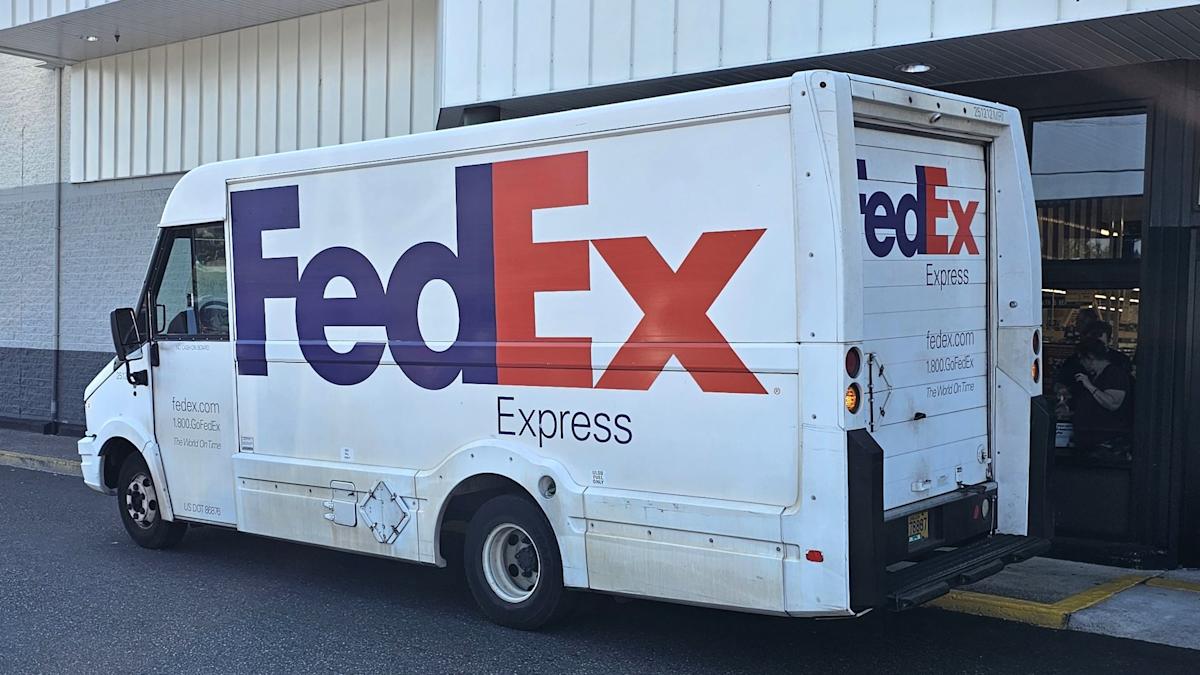

Proliferation of parcel delivery surcharges drives up shipping rates
Extra fees for parcel shipping were the main contributor to higher-than-expected rates during the fourth quarter last year and rates are expected to rise again in 2026, according to a quarterly report from AFS Logistics and TD Cowen investment bank released on Wednesday.
The ground parcel rate per package was up 34% above the 2018 baseline during the peak delivery season. The record high was driven by a combination of increased package volumes and accessorial charges, with the average surcharge assessed by carriers increasing 13% from the third quarter to the fourth quarter, the TD Cowen/AFS Freight Index showed.
Key reasons for the higher charges were a major increase in residential shipments, which also drove up residential delivery surcharges, and carriers like FedEx and UPS introducing for the peak season a “blanket” demand surcharge despite forecasts for muted demand growth. Data from ShipMatrix this week estimated that parcel volumes for the Big Three parcel carriers, including the U.S. Postal Service, were up a modest 5% year over year during the December peak period.
The blanket policy represents a major shift from previous demand charges that more precisely targeted delivery costs like volume surges, large packages and additional handling requirements.
Add-on fees are typically applied to cover the costs associated with providing additional services that require extra labor, specialized equipment, or extend beyond standard transportation and delivery efforts. With competition from many startup carriers, no courier faced an influx of shipments that stressed their systems.
Large parcel carriers are trying to make up for slower revenue growth with surcharges as they look to deemphasize less profitable delivery segments, such as residential e-commerce delivery, analysts say. The widespread use of surcharges risks driving retailers to use cheaper, alternative carriers.
Ground carriers, for example, raised fuel surcharges about 1% even as the on-highway diesel fuel price declined about 1.5% quarter over quarter. On a year-over-year basis, fuel surcharges grew 26% while tracked diesel prices only increased 4.7%. After holding off on fuel surcharge changes for five months, the carriers have implemented adjustments for the new year, the TD Cowen/AFS report said.

Ground parcel rates this year are projected to rise again due to general rate increases (GRI), which include hikes in base rates and surcharges, but also a new rating logic for certain package dimensions. FedEx and UPS implemented a 5.9% GRI for 2026 and their rates and fees are closely aligned. Although FedEx is lower in many surcharge categories, such as for certain delivery areas, the difference is usually less than 1%, according to the TD Cowen/AFS Freight Index.
Leave a Comment
Your email address will not be published. Required fields are marked *